Introduction
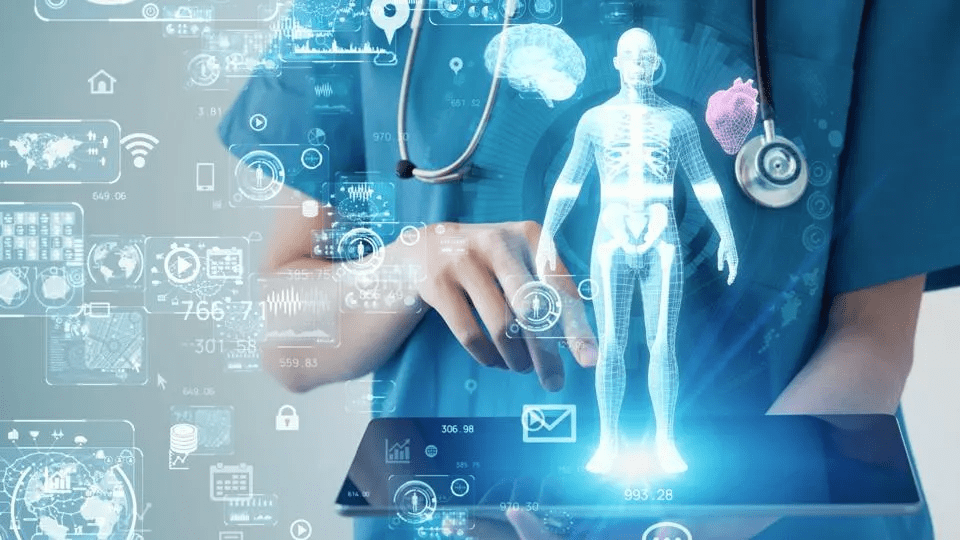
The healthcare industry is undergoing a transformation, with technology playing a pivotal role in improving patient care, diagnosis, and treatment. Among the most promising advancements is the integration of generative artificial intelligence (AI) in healthcare. This innovative technology leverages the power of deep learning and neural networks to create, predict, and assist in various healthcare tasks. In this article, we will explore the impact of generative AI on healthcare, shedding light on its applications and potential benefits.
Understanding Generative AI
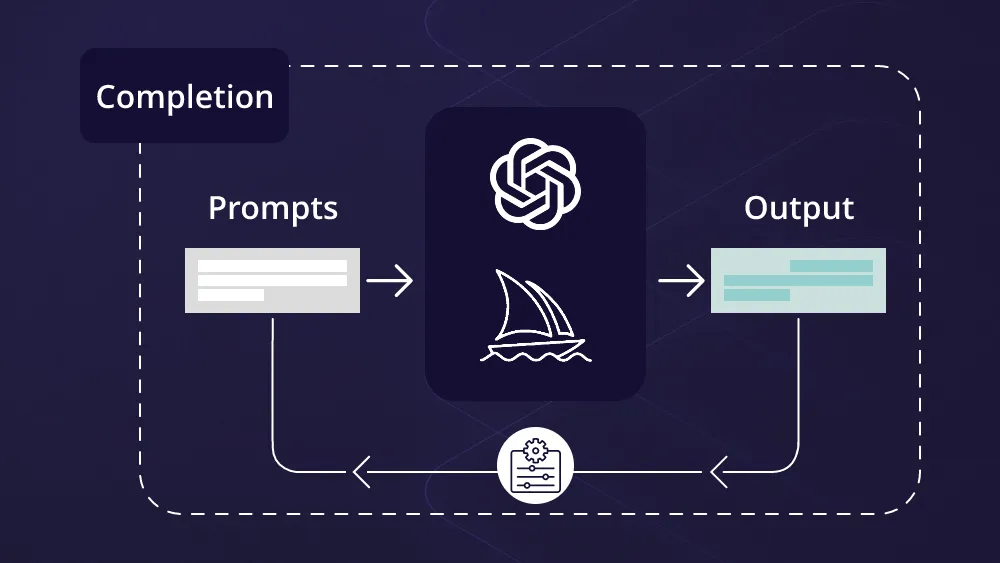
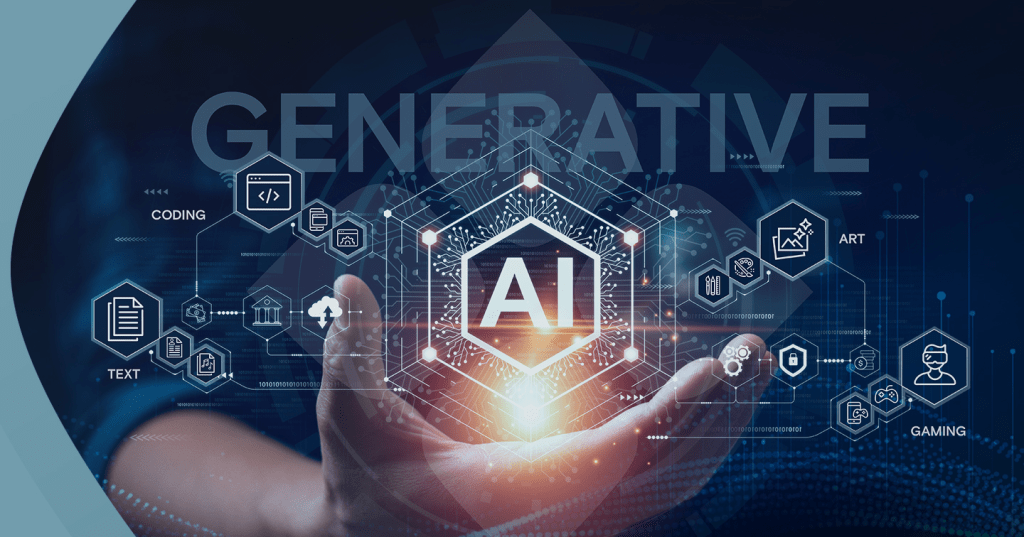
Generative AI is a subset of artificial intelligence that focuses on creating data, such as images, text, or even entire programs. At the heart of generative AI are neural networks, particularly generative adversarial networks (GANs) and recurrent neural networks (RNNs). These networks have the ability to generate data by learning patterns from existing datasets, making them capable of producing novel and contextually relevant information.
Applications in Healthcare
1. Medical Imaging
Generative AI has significantly improved medical imaging. It can generate high-quality images and even fill in missing data. In radiology, this technology can enhance the visibility of abnormalities, helping radiologists make more accurate diagnoses. For instance, AI-powered systems can generate detailed 3D reconstructions of MRI or CT scans, providing a more comprehensive view of the patient’s anatomy. Additionally, generative AI can assist in creating synthetic images to train AI algorithms, reducing the need for vast amounts of real patient data.
2. Drug Discovery
The drug discovery process is traditionally time-consuming and expensive. Generative AI accelerates this process by predicting potential drug candidates, optimizing molecular structures, and identifying drug-protein interactions. This enables researchers to explore a wider range of possibilities and discover new drugs more quickly. Furthermore, AI can assist in generating chemical compounds for targeted therapies, making precision medicine a reality.
3. Natural Language Processing (NLP)
Generative AI can be used in healthcare for tasks related to natural language processing. Chatbots and virtual assistants powered by NLP can interact with patients, answer their questions, and provide basic medical advice. They can also assist healthcare professionals by generating patient reports, extracting insights from medical records, and summarizing research papers, saving time and reducing the risk of human error.
4. Personalized Treatment Plans
AI-driven generative models can create personalized treatment plans based on a patient’s medical history, genetic information, and real-time data. This tailoring of treatments has the potential to improve patient outcomes and reduce adverse reactions to medications, leading to more effective and efficient healthcare delivery.
Benefits of Generative AI in Healthcare
The integration of generative AI in healthcare offers several compelling benefits:
1. Improved Diagnostic Accuracy
Generative AI can help healthcare professionals in the early and accurate diagnosis of diseases. By enhancing medical imaging and providing data-driven insights, it reduces the risk of misdiagnosis and helps in the timely treatment of patients.
2. Faster Drug Development
The accelerated drug discovery process enabled by generative AI can lead to the creation of life-saving medications more swiftly. This is particularly crucial in addressing emerging diseases and drug-resistant pathogens.
3. Enhanced Research Capabilities
Research in the healthcare sector is significantly advanced by generative AI. It can rapidly analyze vast amounts of medical data and assist in generating hypotheses for further investigation.
4. Personalized Medicine
Tailored treatment plans based on individual patient data can lead to more effective healthcare. This approach minimizes the risk of adverse effects and ensures that patients receive treatments that are optimized for their unique biology.
Challenges and Considerations
While the potential benefits of generative AI in healthcare are substantial, there are challenges and considerations to address:
1. Data Privacy and Security
The use of AI in healthcare generates vast amounts of sensitive patient data. Ensuring the privacy and security of this information is of paramount importance to maintain patient trust.
2. Regulatory Compliance
Healthcare is a heavily regulated industry, and the use of generative AI must comply with existing laws and regulations. Ensuring ethical and legal use of AI in healthcare is essential.
3. Ethical Concerns
The ethical implications of AI-generated decisions and patient care must be carefully considered. Balancing the use of AI with human judgment and ethical guidelines is a complex issue.
4. Validation and Accuracy
The reliability and accuracy of generative AI models need to be rigorously tested and validated to ensure they meet high standards of healthcare practice.
Conclusion
Generative AI is poised to revolutionize healthcare by enhancing diagnostic accuracy, speeding up drug discovery, and facilitating personalized treatment plans. The applications of generative AI in medical imaging, drug development, natural language processing, and personalized medicine hold great promise for improving patient care and outcomes. However, it is crucial to address challenges related to data privacy, regulation, ethics, and validation to ensure the responsible and effective use of generative AI in healthcare. With the right approach, the integration of generative AI could lead to a new era of healthcare that is more precise, efficient, and patient-centered.





 Archie Evans News