In the ever-evolving landscape of finance, Artificial Intelligence (AI) has emerged as a transformative force, revolutionizing traditional practices in asset and wealth management. From streamlining operations to enhancing decision-making processes, the use of AI in wealth management is redefining the industry.
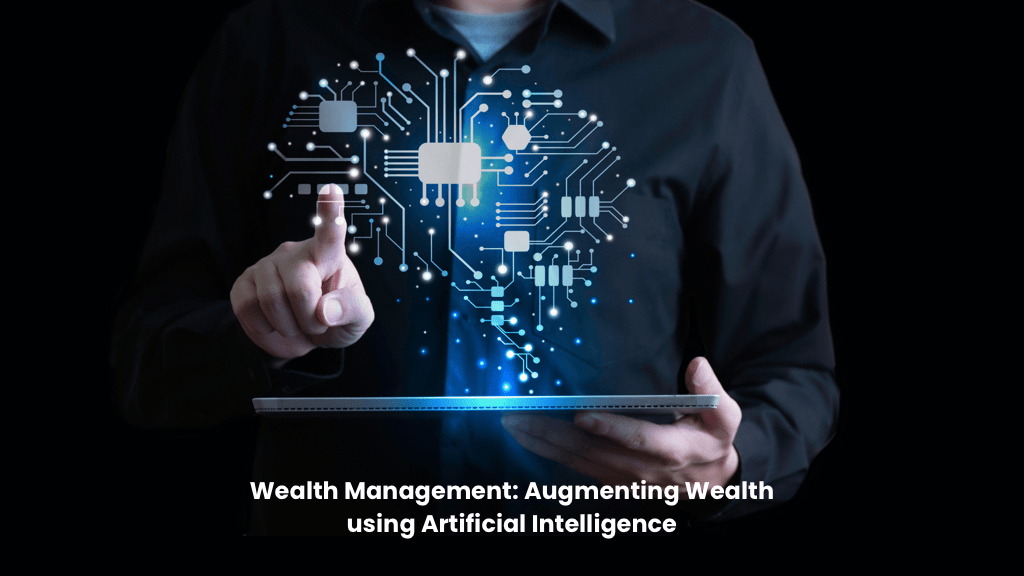
1. The Rise of AI Applications in Wealth Management
AI’s penetration into wealth management is evident through its diverse applications. One key area is automated investment advisory services, commonly known as robo-advisors. These AI-driven platforms leverage algorithms to analyze financial data, investor preferences, and market trends. This enables them to offer personalized investment strategies, making wealth management accessible to a broader audience.
2. Enhanced Decision-Making with AI
One of the primary benefits of incorporating AI in asset and wealth management is the ability to make more informed decisions. Machine learning algorithms can analyze vast datasets at unprecedented speeds, identifying patterns and trends that may elude human analysis. This data-driven approach empowers wealth managers to formulate investment strategies with greater accuracy, optimizing portfolio performance and minimizing risks.
3. Improved Customer Experience
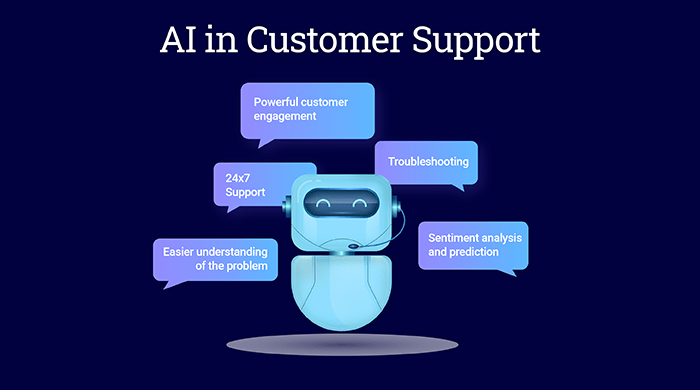
AI is not just transforming the back-end operations of wealth management; it is also enhancing the overall customer experience. Chatbots and virtual assistants powered by AI are becoming increasingly common in the financial industry. These tools provide clients with real-time information, answer queries, and offer personalized advice, creating a more engaging and efficient interaction between clients and wealth management institutions.
4. Risk Management and Fraud Detection
The financial industry is inherently exposed to risks, and AI has proven to be a valuable ally in mitigating these challenges. Advanced algorithms can assess market conditions and identify potential risks, allowing wealth managers to proactively adjust portfolios. Additionally, AI is instrumental in fraud detection by continuously monitoring transactions for unusual patterns, safeguarding assets and maintaining the integrity of the wealth management ecosystem.
5. The Future of Wealth Management: AI and Predictive Analytics
As technology continues to evolve, the integration of AI in wealth management is expected to deepen, particularly with the rise of predictive analytics. AI-driven predictive models can forecast market trends and economic conditions, providing wealth managers with valuable insights to make strategic decisions. This foresight is crucial in navigating the dynamic financial landscape and staying ahead of market shifts.
6. Benefits of AI in Wealth Management
The adoption of AI in wealth management brings forth a myriad of benefits. Efficiency gains are notable, with automation reducing the time and resources required for routine tasks. Cost-effectiveness is another advantage, as AI-driven solutions often offer lower fees compared to traditional wealth management services. Moreover, the ability to provide personalized and data-driven advice enhances client satisfaction and loyalty.
Conclusion
In conclusion, the use of AI in wealth management is not merely a trend but a paradigm shift that is reshaping the industry. The integration of AI applications, from robo-advisors to predictive analytics, is enhancing decision-making processes, optimizing portfolio performance, and improving the overall client experience. As the financial landscape continues to evolve, embracing AI in wealth management is becoming imperative for institutions aiming to stay competitive and provide superior services to their clients. The benefits are clear – increased efficiency, enhanced risk management, and a more personalized approach to wealth management, marking a new era in the financial services sector.




 Archie Evans News