In the ever-evolving landscape of technology, artificial intelligence (AI) stands as a beacon of innovation. From revolutionizing industries to enhancing everyday life, AI is at the forefront of transformation. However, the effectiveness of AI systems largely depends on their adaptability to changing circumstances. This is where Adaptive AI Development Services come into play, spearheading the creation of dynamic, intelligent solutions that can learn, evolve, and stay relevant in a rapidly changing world.

The Essence of Adaptive AI Development
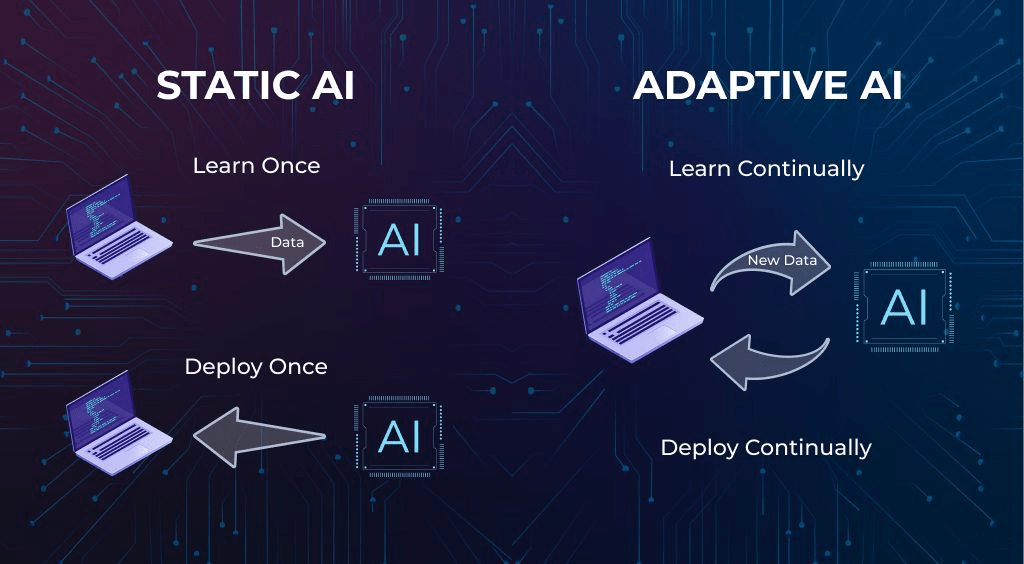
Adaptive AI Development is not just about creating intelligent systems; it’s about crafting AI solutions that can learn from their environment, adapt to new data, and improve their performance over time. In essence, it’s about ensuring that AI systems remain effective and efficient even as the world around them constantly changes.
The core principles of Adaptive AI Development include:
- Continuous Learning: Adaptive AI systems are designed to learn from new data and experiences. This enables them to adapt to changing circumstances and improve their decision-making capabilities.
- Real-time Adaptation: These AI systems can adjust their behavior and responses in real-time, ensuring they remain effective even when faced with new and unforeseen challenges.
- Predictive Analysis: Adaptive AI can anticipate changes and trends, allowing organizations to make informed decisions and stay ahead of the curve.
- Efficiency and Cost-effectiveness: By constantly evolving and improving, Adaptive AI systems can reduce operational costs and enhance productivity.
The Role of Adaptive AI Development Companies
Adaptive AI Development Services play a pivotal role in shaping the AI landscape of today and tomorrow. These specialized companies are equipped with the knowledge, expertise, and tools required to create AI solutions that are not just intelligent but also highly adaptable. Let’s delve into the significance of these companies and the services they offer.
1. Tailored Solutions
Adaptive AI Development Companies understand that one size doesn’t fit all. They work closely with their clients to understand their specific needs and objectives. By tailoring AI solutions to meet the unique demands of each organization, they ensure that their clients have the best tools to achieve their goals.
2. Data-driven Insights
Adaptive AI Development Services harness the power of data to create intelligent systems. They excel at collecting, processing, and analyzing data to extract valuable insights. These insights drive the development of AI systems that not only learn from data but also use it to adapt and improve continuously.
3. Real-time Monitoring and Optimization
The dynamic nature of the modern world requires AI systems to adapt on the fly. Adaptive AI Development Companies implement real-time monitoring and optimization strategies to ensure that their AI solutions remain effective and responsive to changing conditions. This proactive approach minimizes disruptions and maximizes efficiency.
4. Predictive Analytics
Adaptive AI Development Services utilize predictive analytics to forecast future trends and challenges. By analyzing historical data and current conditions, they empower their clients with the ability to make informed decisions. This predictive capability helps organizations remain agile and stay ahead of the competition.
5. Support and Maintenance
Adaptive AI Development Companies offer ongoing support and maintenance to keep their AI systems up to date. They ensure that their clients’ AI solutions are always ready to tackle new challenges and seize emerging opportunities. This level of commitment is essential for the long-term success of AI implementations.
Real-world Applications of Adaptive AI Development
The impact of Adaptive AI Development can be observed across a wide range of industries and applications. Here are some real-world examples of its significance:
Healthcare
In the healthcare sector, Adaptive AI Development Services are used to create AI-driven diagnostic tools. These tools continually learn from medical data and clinical outcomes, enabling accurate and early detection of diseases. This not only saves lives but also reduces the burden on healthcare systems.
Financial Services
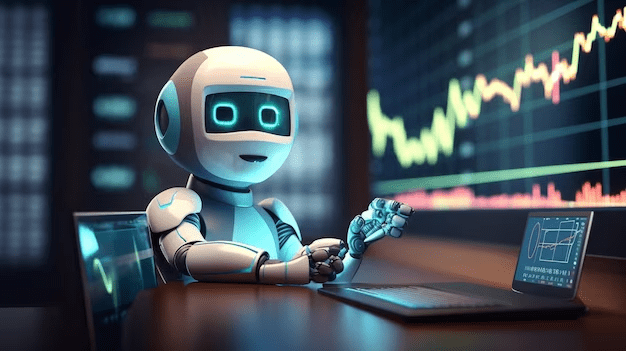
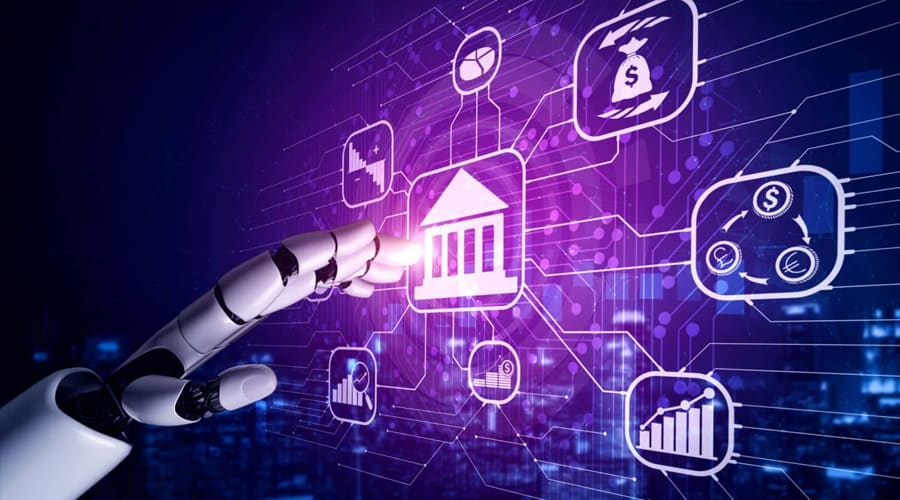
Adaptive AI is pivotal in the financial industry, where market conditions change rapidly. AI-driven trading algorithms, fraud detection systems, and customer service chatbots all benefit from Adaptive AI, allowing financial institutions to respond to market fluctuations and customer inquiries with agility.
E-commerce
E-commerce companies use Adaptive AI to enhance the customer experience. These systems analyze user behavior in real-time to provide personalized product recommendations, improving sales and customer satisfaction.
Manufacturing
In manufacturing, Adaptive AI is utilized for predictive maintenance. It helps identify potential equipment failures before they happen, reducing downtime and increasing production efficiency.
The Future of Adaptive AI Development
The future of AI development lies in its adaptability. As technology continues to evolve at an unprecedented pace, AI systems must evolve as well. Adaptive AI Development Services will play an increasingly vital role in shaping the future of AI applications.
Looking ahead, we can expect to see Adaptive AI solutions in areas such as autonomous vehicles, smart cities, and personalized education. These systems will continuously learn, adapt, and improve to make our lives safer, more efficient, and more fulfilling.
In conclusion, Adaptive AI Development Services are at the forefront of AI innovation. They enable organizations to harness the full potential of AI by creating systems that can adapt and learn in a dynamic world. The real-world applications of Adaptive AI are vast and diverse, from healthcare to finance to e-commerce and manufacturing. As technology advances, Adaptive AI will continue to drive progress and shape the future of AI-driven solutions, making the world a smarter and more adaptable place.



 Archie Evans News