Introduction
In the fast-evolving landscape of technology, Language Model Systems (LLMs) have emerged as powerful tools, revolutionizing natural language processing. Testing LLMs in a production environment is a crucial step to ensure their reliability and effectiveness. In this article, we will explore the strategies and best practices for testing LLMs in production.
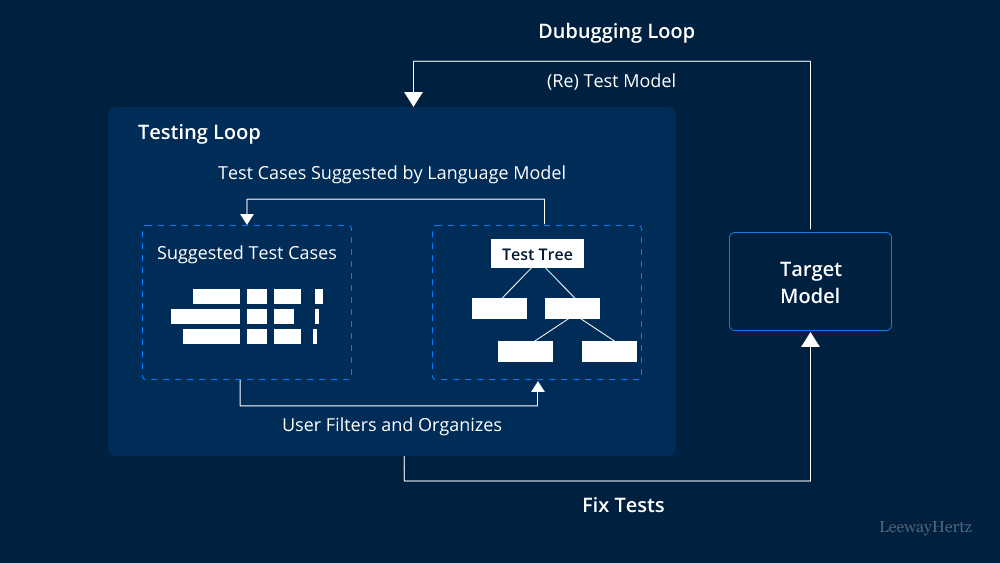
Understanding the Significance
Before delving into the testing methodologies, it’s essential to recognize the significance of testing LLMs in a live production environment. LLMs are designed to comprehend and generate human-like language, making them integral components in various applications such as chatbots, virtual assistants, and language translation services. Testing in production allows us to evaluate how well these models perform under real-world conditions, considering factors like user variability, diverse inputs, and unpredictable scenarios.
Testing Methodologies
1. Incremental Rollouts
One effective strategy is to perform incremental rollouts of LLM updates. Instead of deploying changes to the entire user base at once, release updates to a small subset of users. This approach allows for real-time monitoring and immediate feedback, enabling the identification of potential issues before a widespread rollout. Additionally, it minimizes the impact on the entire user base in case problems arise.
2. A/B Testing
A/B testing involves comparing two versions of a model (A and B) to determine which performs better. In the context of testing LLMs, A/B testing can be used to assess the impact of changes or updates. By randomly assigning users to either the control group (A) or the experimental group (B), you can measure the effectiveness of the new model against the existing one. This method helps in making data-driven decisions about deploying new LLM versions.
3. Continuous Monitoring
Implementing continuous monitoring is crucial for detecting anomalies and ensuring the ongoing performance of LLMs. Set up monitoring tools that track key performance metrics, such as response time, error rates, and user satisfaction. Any deviations from the expected behavior can trigger alerts, allowing quick intervention to address potential issues.
Best Practices
1. Comprehensive Test Data
Ensure your test data is comprehensive and representative of real-world usage. Use a diverse dataset that includes a wide range of inputs, including different languages, dialects, and communication styles. This helps uncover potential biases and ensures that the LLM performs well across various scenarios.
2. User Feedback Integration
Incorporate user feedback as a crucial element of the testing process. Users can provide valuable insights into the real-world performance of LLMs, identifying issues that might not be apparent through automated testing alone. Establish channels for users to report problems and gather feedback systematically.
3. Performance Benchmarks
Establish performance benchmarks for your LLMs. Define key metrics and set acceptable thresholds for factors such as response time and accuracy. Regularly compare the LLM’s performance against these benchmarks to identify any degradation over time and proactively address issues.
Conclusion
Testing LLMs in production is a dynamic and ongoing process that requires a combination of strategic methodologies and best practices. Incremental rollouts, A/B testing, continuous monitoring, comprehensive test data, user feedback integration, and performance benchmarks collectively contribute to a robust testing framework. By embracing these approaches, organizations can ensure the reliability, effectiveness, and continuous improvement of their Language Model Systems in real-world scenarios. As the technology landscape evolves, refining these testing strategies will remain pivotal in delivering seamless and reliable user experiences.
To Learn More :- https://www.leewayhertz.com/how-to-test-llms-in-production/
 Archie Evans News