In a world that’s increasingly interconnected, communication is the key to success. From businesses striving to provide top-notch customer service to individuals seeking assistance, the way we interact with technology and one another is evolving. One of the most exciting innovations in this space is Conversational AI. This technology promises to revolutionize the way we engage with machines and each other, and in this article, we’ll explore the concept, its applications, and the potential it holds for the future.
What is Conversational AI?
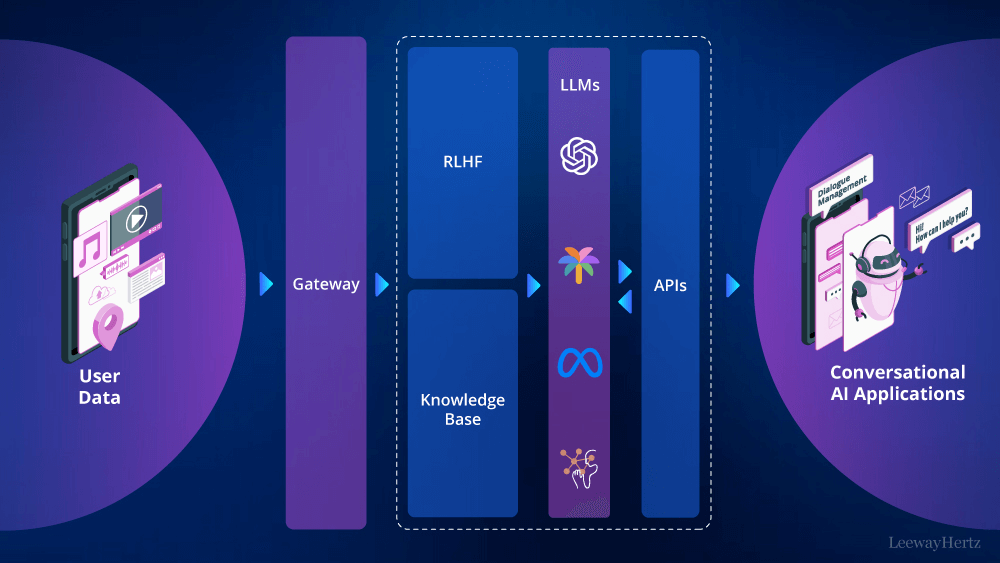
Conversational AI, often referred to as chatbots or virtual assistants, is a branch of artificial intelligence (AI) that focuses on enabling natural language communication between humans and computers. Unlike traditional interfaces that rely on buttons and menus, Conversational AI systems allow users to interact with machines through text or speech, just as if they were conversing with another person.
These systems are designed to understand and respond to user queries, providing information, assistance, or performing tasks on behalf of the user. The technology relies on various AI components such as natural language processing (NLP), machine learning, and speech recognition to interpret and generate human language.
Applications of Conversational AI
Conversational AI has a wide range of applications across different industries and domains, making it a versatile and powerful tool. Here are some areas where it is making a significant impact:
- Customer Support: One of the most common applications of Conversational AI is in customer support. Chatbots are used to provide instant responses to customer queries, resolve common issues, and direct users to appropriate resources. This not only enhances customer satisfaction but also reduces the workload on human support agents.
- E-commerce: Many online retailers employ chatbots to assist shoppers in finding products, offering personalized recommendations, and facilitating the purchase process. Conversational AI improves the overall shopping experience and can increase sales.
- Healthcare: Virtual health assistants can provide patients with information on symptoms, help schedule appointments, and offer medication reminders. They are also used to collect patient data and assist healthcare professionals in managing patient records.
- Banking and Finance: Chatbots are used by banks and financial institutions to help customers with account inquiries, transaction history, and even investment advice. These virtual assistants are available 24/7, providing convenient support to customers.
- Education: Educational institutions and e-learning platforms use Conversational AI to deliver interactive and personalized learning experiences. Chatbots can answer questions, provide explanations, and offer guidance to students.
- Smart Homes: Voice-activated virtual assistants like Amazon’s Alexa and Google Assistant have become integral parts of many smart homes. They control smart devices, answer questions, and provide entertainment, all through natural conversation.
- Content Recommendations: Streaming platforms and news websites utilize AI chatbots to recommend content based on a user’s preferences and past interactions. This enhances user engagement and content consumption.
- Human Resources: In HR, chatbots can assist in the onboarding process, answer common employee queries, and even conduct initial interviews, streamlining HR operations.
- Travel and Hospitality: Chatbots in the travel industry assist with booking flights, hotels, and providing information on destinations. They can also offer real-time updates on travel itineraries.
- Government and Public Services: Chatbots are being deployed in various government services to assist citizens with information, application processes, and guidance on government programs.
The Future of Conversational AI
As technology continues to advance, Conversational AI is poised to become even more integral to our daily lives. Here are some trends and developments to watch for:
- Improved Understanding: AI models are becoming increasingly sophisticated in understanding context and user intent, leading to more accurate and relevant responses in conversations.
- Multimodal Interactions: Future Conversational AI systems may seamlessly combine text, voice, and visual inputs, enabling more natural and intuitive interactions.
- Personalization: AI will become even better at tailoring responses and recommendations to individual user preferences, making interactions more personal and engaging.
- Cross-Platform Integration: Conversational AI will extend beyond single applications or websites and will be integrated into multiple platforms and devices, creating a unified and consistent user experience.
- Emotional Intelligence: Research in affective computing will enable AI to recognize and respond to human emotions, making interactions more empathetic and supportive.
- Security and Privacy: AI developers will place greater emphasis on securing conversational data and respecting user privacy to build trust and mitigate risks.
Challenges and Ethical Considerations
While the future of Conversational AI is promising, it also comes with challenges and ethical considerations. Ensuring that AI systems do not propagate biases, safeguarding user data, and striking the right balance between human and AI interactions are all important factors that need careful consideration.
In Conclusion
Conversational AI is a technology that’s changing the way we interact with machines and each other. Its applications span various industries, improving customer service, enhancing learning experiences, and simplifying everyday tasks. As technology continues to advance, Conversational AI will become even more versatile and integrated into our daily lives. However, we must also address ethical concerns and ensure that this technology benefits society as a whole. The future of Conversational AI is exciting, and it promises to unlock new possibilities for human-computer interactions.
 Archie Evans News