Artificial Intelligence (AI) has undeniably revolutionized the way we interact with technology, and much of that transformation is credited to natural language processing. However, for AI to comprehend and respond effectively to human language, the foundation lies in the crafting of prompts. In this article, we delve into the world of “Prompt Engineering,” exploring its significance, strategies, and the immense impact it has on AI communication.
The Essence of Prompt Engineering
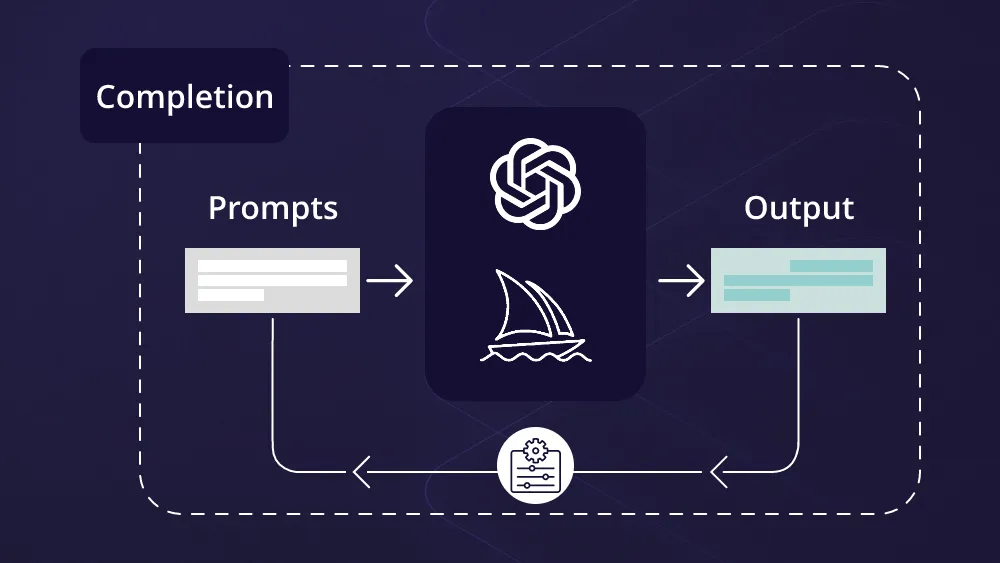
At its core, prompt engineering is the skill of formulating precisely-crafted questions or statements designed to extract the desired information or response from AI models. It’s akin to teaching a computer to understand and converse like a human. This process is crucial in harnessing the capabilities of AI systems and ensuring they produce meaningful and relevant output.
The Evolution of AI Prompts
The evolution of AI prompts can be traced back to simple keyword searches and Boolean operators, which required users to meticulously input specific terms or commands. Over time, however, AI has progressed significantly, and prompt engineering has become an intricate art, encompassing various techniques and methodologies.
The Significance of Well-Crafted Prompts
The importance of prompt engineering cannot be overstated. The quality of the prompt can make the difference between a meaningful response and irrelevant information or, in some cases, misinformation. Here’s why it matters:
1. Precision and Relevance
Well-crafted prompts guide AI models towards providing precise and relevant answers. They help eliminate ambiguity and unnecessary information, ensuring that the response aligns with the user’s intent.
2. Human-Like Interaction
Effective prompt engineering is key to achieving human-like interactions with AI. It enables a more natural flow of conversation, where users can ask questions or make requests in a way that feels intuitive.
3. Efficiency
By providing AI with a clear and concise prompt, users can obtain the information they need more efficiently. This reduces the need for additional clarifications or follow-up questions, saving time and effort.
4. Mitigating Bias
Prompts play a crucial role in mitigating biases in AI systems. Biased or leading prompts can result in biased responses, perpetuating harmful stereotypes and misconceptions.
Strategies for Effective Prompt Engineering
Crafting a good prompt is both a science and an art. Here are some strategies to enhance your prompt engineering skills:
1. Clarity and Specificity
Be clear and specific in your prompts. Avoid vague or open-ended questions. The more precise your prompt, the more likely you are to receive a relevant response.
2. Contextual Information
Provide contextual information when necessary. This can help the AI understand the context of your query and provide a more accurate response. For example, instead of asking, “Tell me about space,” you could specify, “What are the latest discoveries in space exploration?”
3. Use Neutral Language
Avoid using language that may introduce bias or assumptions. Neutral prompts help in obtaining unbiased responses.
4. Experiment and Refine
Don’t be afraid to experiment with different prompts to see which ones yield the best results. AI models can be highly sensitive to the phrasing of questions, so refining your prompts is essential.
5. Feedback Loop
Create a feedback loop. If you receive responses that are not what you expected, analyze your prompts and make adjustments. Continual refinement is key to improving your prompt engineering skills.
Ethical Considerations
In the quest for crafting effective prompts, it’s essential to consider the ethical implications. As AI continues to play an integral role in our lives, ensuring that prompts are ethically sound is of paramount importance.
Avoid Leading Questions
Leading questions can steer AI responses in a particular direction and perpetuate biases. Always strive for neutral, open-ended prompts.
Responsible Content
Craft prompts that promote responsible and respectful communication. Avoid prompts that may encourage offensive or harmful content.
Mitigate Misinformation
Be cautious about how you phrase prompts to avoid inadvertently spreading misinformation. Fact-checking is an essential part of prompt engineering.
The Future of Prompt Engineering
The field of prompt engineering is continuously evolving. As AI systems become more sophisticated, the potential for more nuanced and human-like interactions with machines grows. The future of prompt engineering holds exciting possibilities:
1. Multimodal Prompts
AI systems are becoming increasingly capable of processing multiple types of inputs, such as text, images, and audio. Prompt engineering will extend to crafting prompts that incorporate these different modalities.
2. Enhanced Personalization
AI models will become better at understanding individual users’ preferences and nuances in their language, leading to highly personalized responses.
3. Improved Ethics and Bias Mitigation
Developers and engineers will focus more on crafting prompts that not only extract the desired information but also prioritize ethical considerations and bias mitigation.
Conclusion
Prompt engineering is a fundamental aspect of AI communication that empowers humans to interact with machines in a natural and efficient manner. Its significance lies in precision, relevance, and the promotion of ethical and responsible AI interactions. As AI technology continues to advance, prompt engineering will play an increasingly pivotal role in shaping the way we communicate with AI systems, ensuring that the interactions are not just efficient but also respectful, unbiased, and enlightening. It’s an art worth mastering, as it paves the path for more meaningful and productive human-AI interactions.
 Archie Evans News