In the ever-evolving world of artificial intelligence, one of the most fascinating and transformative areas is generative image models. These models are at the forefront of image synthesis AI, pushing the boundaries of what’s possible in terms of generating, enhancing, and transforming images. In this article, we will explore the exciting world of generative image models and their impact on various fields.
The Rise of Image Synthesis AI
From Pixels to Paintings
Image synthesis AI has come a long way from its early days of generating pixelated images to producing breathtaking, photorealistic artworks. The journey began with simple algorithms and basic pattern recognition but has now evolved into a realm where machines can create images indistinguishable from those crafted by human hands.
Applications Abound
The applications of image synthesis AI are vast and ever-expanding. From generating realistic human faces for video games to enhancing the quality of medical imaging, and even producing artwork that rivals the works of famous painters, these AI models are revolutionizing how we perceive and interact with images.
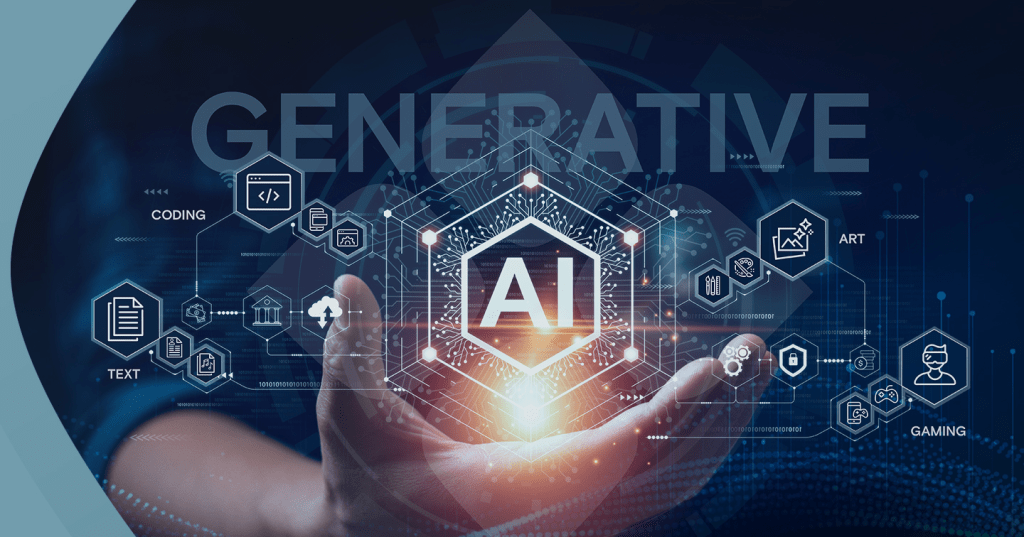
The Role of Generative Image Models
Understanding Generative Adversarial Networks (GANs)
At the heart of generative image models lies Generative Adversarial Networks or GANs. GANs are a type of neural network architecture that pits two networks against each other – a generator and a discriminator. The generator creates images, while the discriminator’s role is to determine whether an image is real or generated. This adversarial process results in the generation of increasingly realistic images.
Variational Autoencoders (VAEs)
In addition to GANs, Variational Autoencoders (VAEs) play a crucial role in generative image models. VAEs are probabilistic models that help generate images by encoding and decoding latent variables. They are particularly valuable in applications where controllability and interpretability of the generated images are essential.
Applications of Generative Image Models
Art and Creativity
Generative image models have unlocked a new realm of creativity. Artists and designers are using AI to generate unique artworks, transform photographs into stunning paintings, and even create surreal, dreamlike images. These models act as creative assistants, providing endless inspiration for artists to explore.
Deepfake Technology
While image synthesis AI has immense creative potential, it also raises ethical concerns, particularly in the context of deepfake technology. Deepfakes, generated by GANs, can convincingly alter faces in videos, making it appear as though people are saying or doing things they never did. This technology has profound implications for privacy and misinformation and is a topic of ongoing debate.
Medical Imaging
In the field of healthcare, generative image models have proven invaluable. They can generate high-resolution medical images from low-quality scans, making early disease detection more reliable. Additionally, these models can simulate various medical conditions to aid in medical training and research.
Fashion and Design
Generative image models are making waves in the fashion industry. Designers use AI to create unique clothing designs, and companies like IBM are even developing AI-generated fashion collections. This technology streamlines the design process and offers endless possibilities for fashion enthusiasts.
Video Game Development
In the world of gaming, generative image models are a game-changer. These models can generate lifelike characters, environments, and textures, reducing the time and cost of game development. Gamers experience more immersive and visually stunning worlds, thanks to the power of AI.
Content Creation
Content creators, from filmmakers to graphic designers, benefit from generative image models. These models can generate scenes, characters, or assets for use in videos, animations, and advertisements. They provide a versatile toolbox for storytellers and advertisers to bring their visions to life.
Challenges and Ethical Considerations
Data Bias
One of the significant challenges in generative image models is the risk of data bias. If the training data used is biased, the generated images can inherit these biases, leading to issues related to diversity, inclusion, and fairness.
Misuse
The potential for misuse, especially in creating deepfakes or harmful content, is a substantial concern. Stricter regulations and ethical guidelines are needed to address these issues and prevent the misuse of image synthesis AI.
Ethical Questions
Generative image models raise essential ethical questions about authorship, authenticity, and intellectual property. Who owns the rights to images created by AI, and how do we determine the authenticity of such images?
The Future of Generative Image Models
As generative image models continue to evolve, their impact on various fields will only grow. The future promises even more impressive capabilities, with improved image quality, interpretability, and controllability. Research into addressing bias and ethical concerns will be a central focus.
Conclusion
Generative image models are at the forefront of image synthesis AI, reshaping the way we create, perceive, and interact with images. These models hold vast potential across a wide range of industries, from art and design to healthcare and entertainment. While their development has brought numerous benefits, it is essential to address the challenges and ethical considerations to ensure that this technology is harnessed for the greater good. As the field of generative image models continues to advance, it is crucial that we navigate the ethical and societal implications responsibly, while celebrating the creative and innovative opportunities they offer.
 Archie Evans News